Blog
Warming Up Modern Homes: How Early Lighting Design Softens ‘Cold’ Architecture

Modern architecture is often praised for its clean lines, simplicity and bold use of space, yet it’s just as often described as cold or clinical. Homes dominated by glass, concrete and steel, with open-plan layouts and minimal detailing, can look striking on paper but feel emotionally flat when lived in. Without careful consideration, these spaces risk prioritising visual impact over comfort, leaving them impressive but uninviting.
This is where lighting plays a defining role. Beyond pure function, light shapes how a space feels, how welcoming it is, how it’s experienced throughout the day, and how it supports the way people actually live. Thoughtful lighting can soften hard materials, introduce warmth and intimacy, and bring depth and character to even the most minimalist architecture. When treated as an integral design element rather than a finishing touch, lighting becomes the emotional layer that transforms modern homes from stark to soulful.
At Hampshire Light, we specialise in human-centred lighting design, creating schemes that work in harmony with architecture while enhancing comfort, atmosphere and wellbeing. By engaging early in the design process, we help homeowners and architects unlock the full potential of modern spaces, ensuring they feel as good to live in as they look on completion.
What makes a home feel cold?
A home can look visually impressive yet still feel unwelcoming. In modern architecture, this sense of “coldness” is rarely caused by one element alone, it’s usually the result of several design decisions layering together.
- Materials and finishes: Hard, reflective surfaces such as glass, concrete and plaster bounce light harshly around a space. When these are paired with minimal textures and limited tonal variation, interiors can lack visual softness and warmth, making rooms feel stark rather than welcoming.
- Scale and openness: Large rooms, high ceilings and open-plan layouts can feel impressive but emotionally distant. Without visual boundaries or defined zones, spaces often lack intimacy, making it harder to create areas that feel cosy, comfortable or human in scale.
- Poor or late-stage lighting decisions: An over-reliance on downlights leads to flat, uniform illumination with no hierarchy or contrast. When lighting is considered late in the design process, opportunities to shape mood, highlight features and soften architecture are lost, reinforcing a cold or clinical feel.
Why early lighting design changes everything
In modern homes, the difference between a space that feels considered and one that feels compromised often comes down to when lighting is designed.
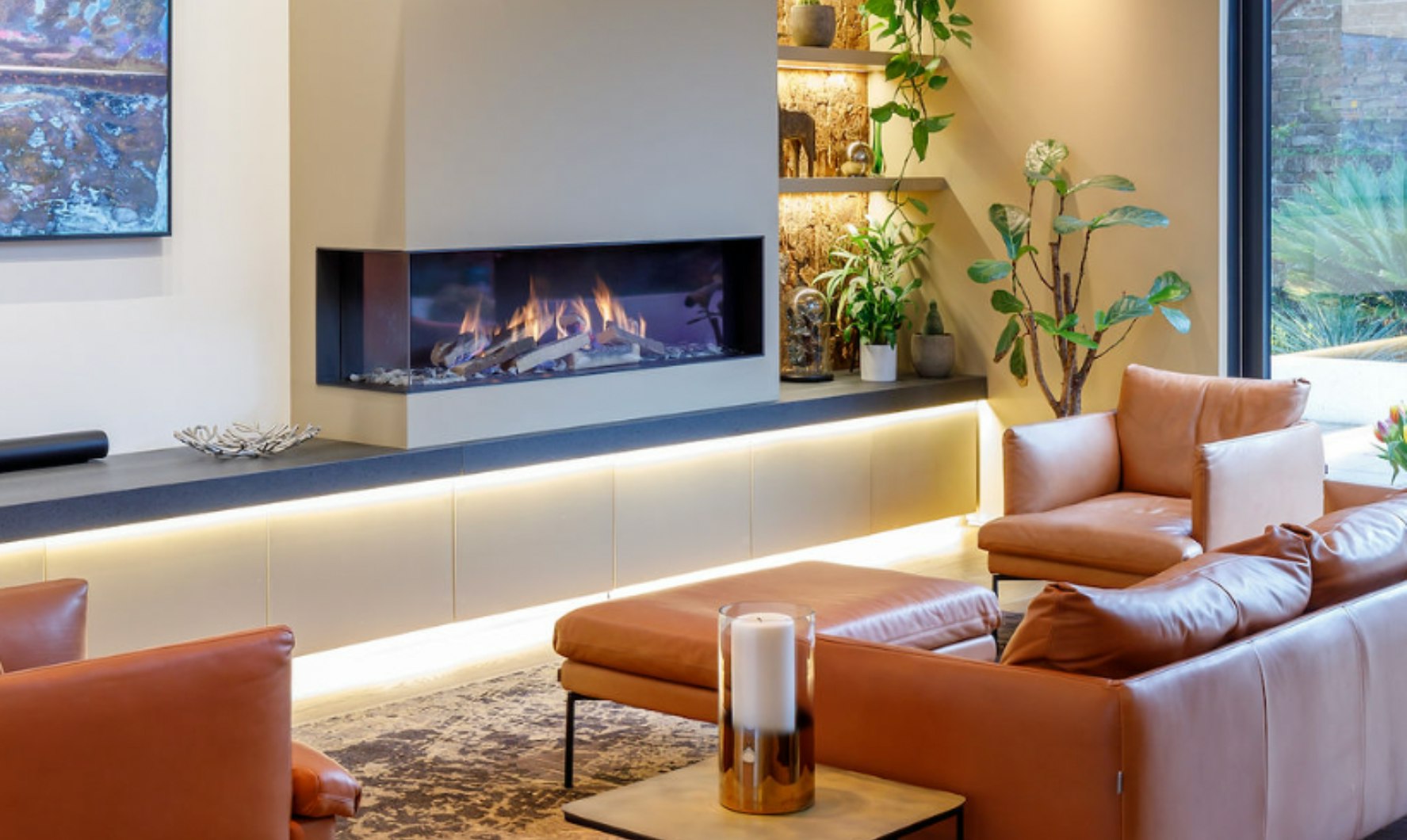
- Lighting designed alongside architecture: When lighting is considered from the very beginning, it becomes part of the architectural language rather than an add-on. Early collaboration allows light to be integrated into ceilings, joinery and structural details, resulting in cleaner lines, concealed sources and a far more refined outcome.
- Aligning lighting with spatial intent and lifestyle: Early design makes it possible to tailor lighting to how each space is meant to feel and function. Whether a room is designed for entertaining, relaxing or working, lighting can be shaped to support the mood, rhythm and practical needs of daily life, rather than forcing one solution to fit all.
- Avoiding late-stage compromises: When wiring routes, ceiling depths and control locations are already fixed, lighting choices become limited. Early planning avoids visible fittings, awkward switch positions and overuse of downlights, ensuring the final scheme delivers warmth, flexibility and atmosphere without compromise.
Layered lighting: The key to warmth and comfort
A well-designed lighting scheme relies on layers rather than a single, uniform source. By combining different types of light, modern interiors gain depth, flexibility and a sense of warmth that flat lighting can never achieve.
- Ambient lighting: This forms the soft base layer of a space, providing overall illumination without glare. Indirect lighting, coves, and concealed sources gently wash surfaces with light, softening architectural lines and reducing harsh contrasts.
- Task lighting: Task lighting delivers focused, functional light exactly where it’s needed, for kitchens, workspaces and reading areas, without overwhelming the space. When carefully integrated, it supports daily activities while keeping visual clutter to a minimum.
- Accent and decorative lighting: Accent lighting adds character and atmosphere by highlighting textures, artwork and joinery. These targeted pools of light introduce contrast and visual warmth, guiding the eye and helping spaces feel layered, intimate and inviting.
Colour temperature and light quality
Colour temperature has a profound impact on how a modern interior feels. While neutral white light is often favoured for its clean, contemporary appearance, it can easily tip into feeling stark if not handled carefully.
Warmer tones introduce a sense of comfort and softness, helping to counterbalance hard architectural materials without compromising a modern aesthetic.
Overly cool LEDs are a common mistake in contemporary homes. Although they may appear bright and crisp, cooler temperatures can drain warmth from a space, flatten textures and create an uninviting, clinical atmosphere, particularly in living areas and bedrooms.
The most successful schemes often combine colour temperatures subtly. By mixing warmer and neutral whites across different layers of lighting, it’s possible to add depth, variation and visual interest. This approach allows spaces to feel dynamic and comfortable, while still retaining the clarity and refinement expected in modern design.
Using light to add texture and depth
In modern interiors, lighting is as much about shadow as it is about illumination. Thoughtfully positioned light can reveal the subtle qualities of materials, bringing walls, finishes and architectural details to life rather than washing them out.
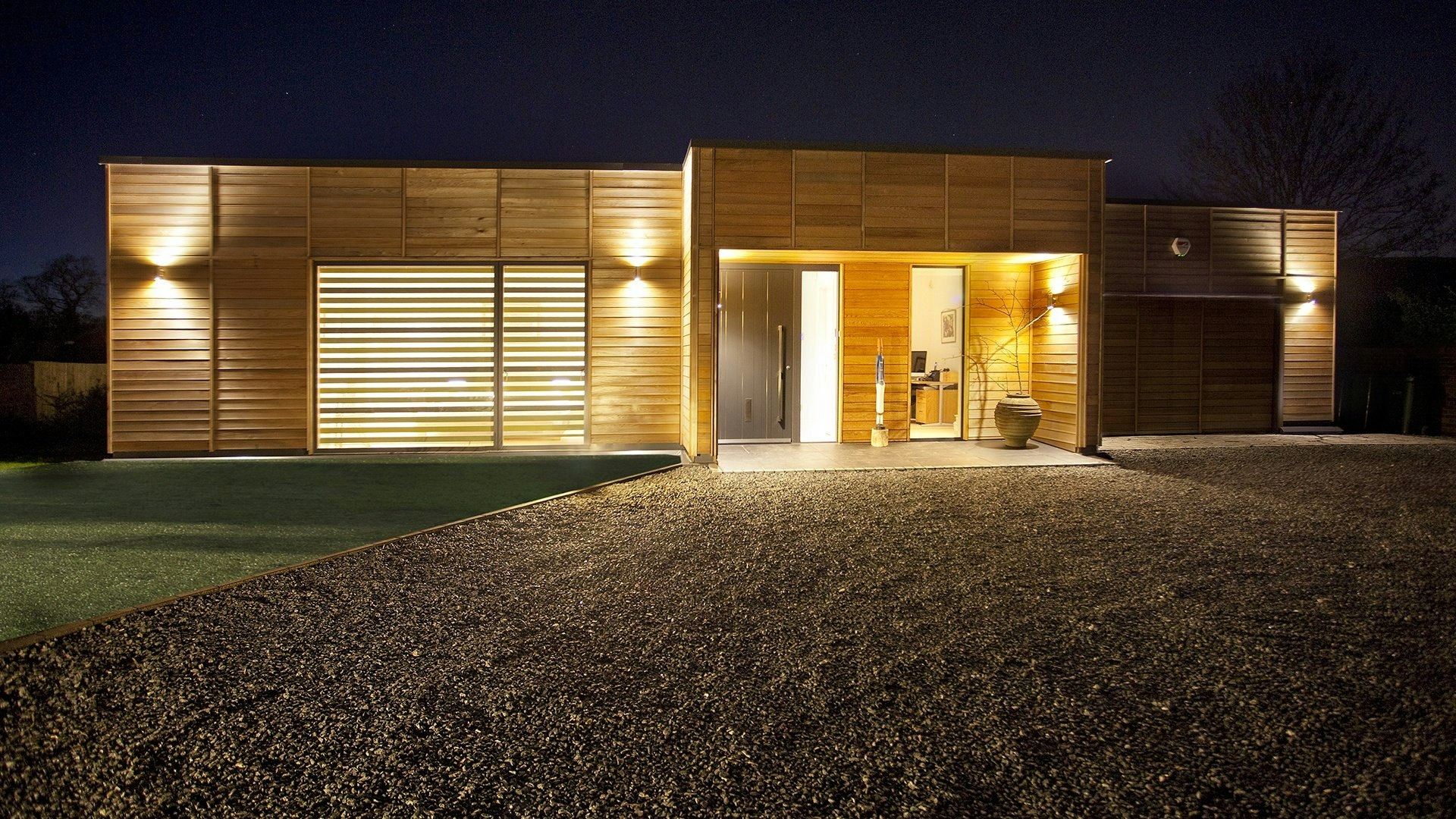
Grazing light across textured surfaces, such as timber, stone or plaster, enhances depth by creating gentle contrasts of light and shade.
Shadows become a powerful design tool when used intentionally. Instead of aiming for uniform brightness, introducing areas of contrast helps define form, add visual interest and give spaces a sense of dimension. This interplay between light and shadow softens minimal architecture, adding richness and atmosphere that makes a home feel layered, considered and inviting.
Smart controls and scene setting
In a modern home, lighting needs to be flexible, and smart controls make it easy. Dimming, for example, is essential, not optional. Being able to adjust light levels instantly can transform a space: bright and functional for work, soft and cosy for relaxing, or just right for entertaining.
Smart systems take this even further by letting you create pre-set “scenes” for different times of day or activities. A daytime scene might maximise natural light and support productivity, while an evening scene softens the room with warm, low-level lighting. For entertaining, lights can highlight textures, artwork, or social zones, all at the touch of a button.
These systems aren’t just convenient; they enhance comfort and wellbeing. By reducing the need for multiple switches or constant adjustments, they let homeowners easily adapt their environment to mood, activity, or even the season. With smart lighting, modern homes feel more responsive, personal, and alive.
The case for a bespoke approach
Not all lighting solutions are created equal. Off-the-shelf plans may provide basic coverage, but they rarely consider the unique character of a home or the way people actually live in it. A bespoke approach ensures lighting works in harmony with both architecture and lifestyle.
Why standard plans fall short
Generic layouts often rely on simple formulas, like evenly spaced downlights, which can leave spaces feeling flat, cold, or unbalanced. They rarely respond to the home’s materials, scale, or intended use.
Tailoring lighting to lifestyle, architecture, and mood
Custom design allows lighting to be shaped around how rooms are used, the architectural intent, and the atmosphere homeowners want to create. From cosy reading nooks to dramatic entertaining spaces, bespoke schemes enhance both functionality and emotion.
Where early design makes the biggest impact
Early involvement allows integration with ceilings, joinery, and structural features, avoiding compromises later in the build.
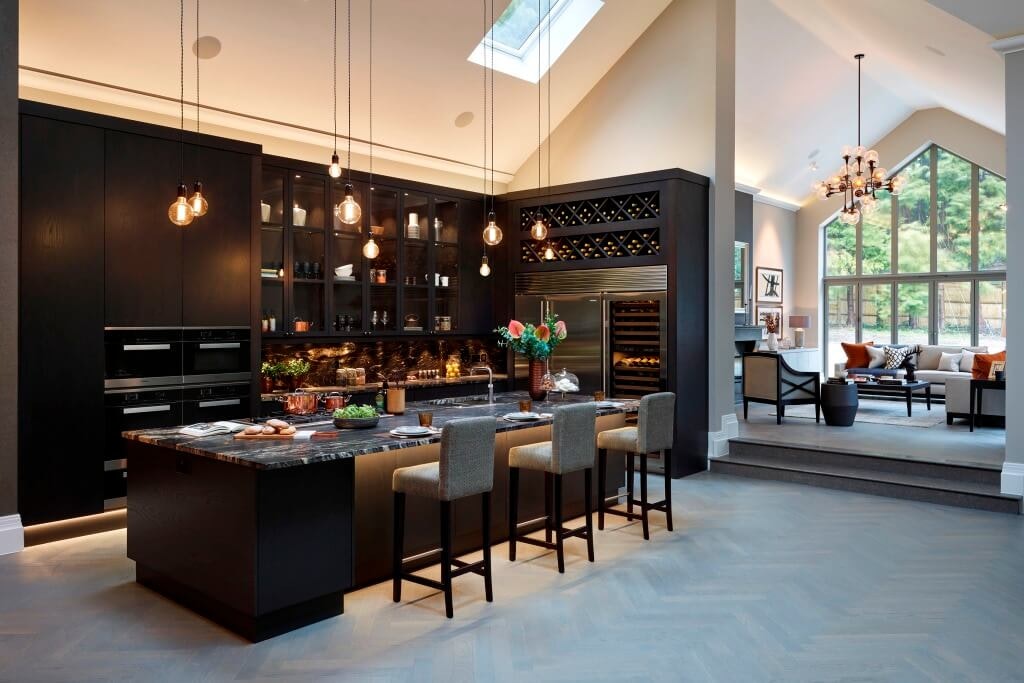
Kitchens, open-plan living areas, and double-height spaces are examples where early lighting decisions transform cold, vast areas into inviting, layered environments.
Designing homes that feel as good as they look
Lighting has the power to transform a home from impressive on paper to truly welcoming in reality. It shapes mood, highlights materials, defines space, and creates comfort, turning modern architecture from cold and clinical into warm, inviting, and lived in.
The key to achieving this lies in early involvement. When lighting is considered alongside architecture from the start, it can be seamlessly integrated, tailored to lifestyle, and layered to create depth and atmosphere. Waiting until the final stages often means compromises, missed opportunities, and a space that falls short of its potential.
At Hampshire Light, we specialise in human-centred, bespoke lighting design. By consulting with us early in your build or renovation, you can ensure your home not only looks stunning but also feels exceptional to live in, a space where every room is functional, comfortable, and full of character.
