Blog
Beyond the Single Pendant: Layered Lighting as the Must-Have “Finish”

We’ve all been tempted by the idea that one beautiful pendant can “finish” a room, but the truth is, it rarely delivers. A lone hanging fixture might look good in photos, yet in real life it leaves spaces washed out, shadowless and strangely underwhelming. Without depth, texture or any real mood control, the single-pendant myth is one interior designers are rapidly outgrowing.
Layered lighting has become the must-have finish that truly completes a room. More dynamic than any decorative fitting, thoughtful layering brings dimension, atmosphere and that all-important wow-factor. It’s the difference between a space that functions and a space that performs, visually, emotionally and practically.
In this guide, we’ll explore why interior designers are ditching the one-pendant approach in favour of lighting schemes built on three essential layers: ambient, task and accent. You’ll discover how each layer works, the benefits they unlock for both clients and designers and practical, room-by-room strategies to help you implement them with confidence. From mood mastery to future-proof flexibility, layered lighting is about to become your most powerful design tool.
Why ditch the single pendant?
Relying on a single pendant inevitably leaves a room looking flat, with shadowless lighting that wipes out the texture and dimension interior designers work so hard to create.
It also limits flexibility. There’s no way to shift the mood from day to evening or support tasks where focused illumination is essential. And while pendants themselves can be beautiful, schemes built around just one fitting date quickly.
In contrast, layered lighting creates a timeless, adaptable foundation that future-proofs projects and keeps interiors feeling relevant for years to come.
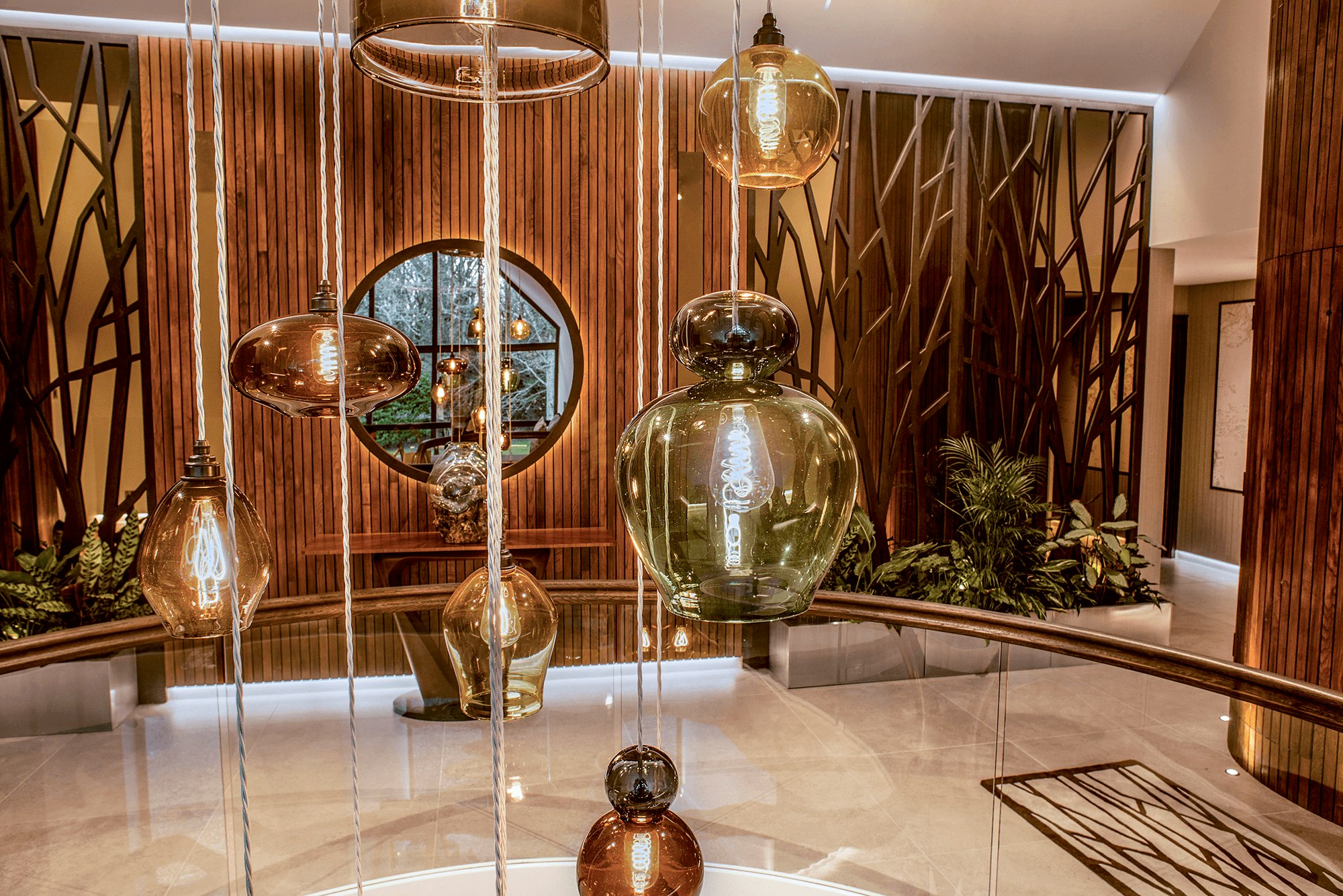
The three core layers explained
A successful lighting scheme is built on three essential layers: ambient, task and accent lighting. Understanding how each one works, and how they interact, is key to creating spaces that feel balanced, functional and visually rich.
- Ambient lighting: Provides the overall glow that makes a room feel comfortable and evenly lit. This base layer is typically achieved through recessed downlights, cove lighting or discreet flush mounts, setting general illumination without harsh glare. It establishes the atmosphere and ensures the space feels inviting from the moment you step in.
- Task lighting: Delivers focused, practical light exactly where it’s needed for specific activities. From preventing countertop shadows in kitchens with under-cabinet strips to supporting reading or office work with dedicated lamps, task lighting ensures clarity, comfort and functionality in zones that demand precision.
- Accent lighting: Adds the drama and detail that elevate a room from functional to captivating. Using spotlights, wall washers or integrated LED strips, accent lighting highlights artwork, shelves, architectural forms or textured materials. This layer introduces depth and contrast, increasing the perceived value and sophistication of the design.
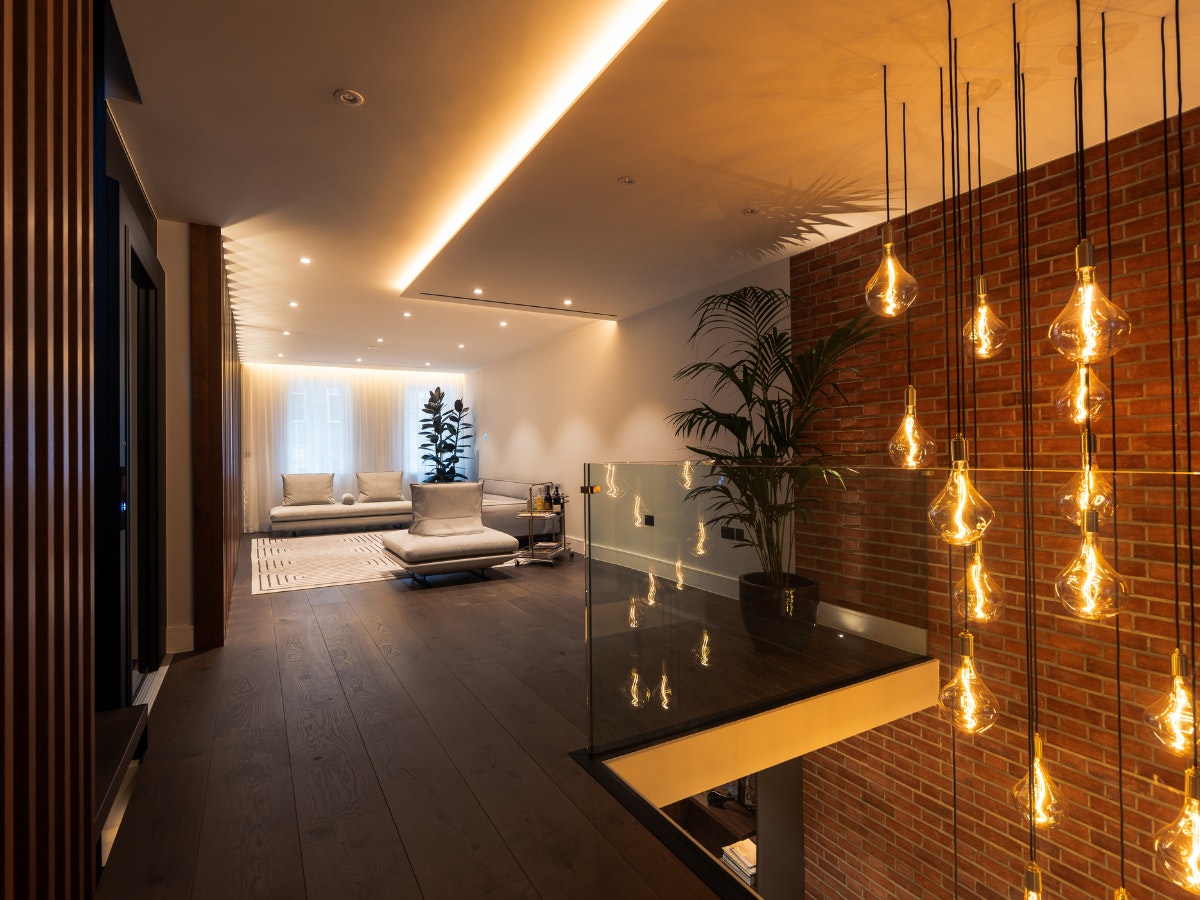
Benefits for interior designers
For designers, the power of layered lighting extends far beyond aesthetics, unlocking deeper control, flexibility and impact.
- Mood mastery: Dimmers, circuits and zoned controls allow spaces to transition effortlessly from bright and functional to warm and atmospheric, supporting every moment of the day.
- Visual depth: Thoughtfully placed layers introduce contrast and shadow play, enhancing materials, highlighting joinery and amplifying architectural scale.
- Client appeal: Layered schemes create spaces that not only feel luxurious in person but also photograph beautifully. This is ideal for client presentations, portfolios and marketing.
- Efficiency: Targeted illumination reduces unnecessary energy use and integrates seamlessly with smart lighting systems, creating adaptable, future-ready designs.
Room by room layering strategies
Thoughtful layering looks different in every space. Here’s how to get it right from kitchens to bedrooms:
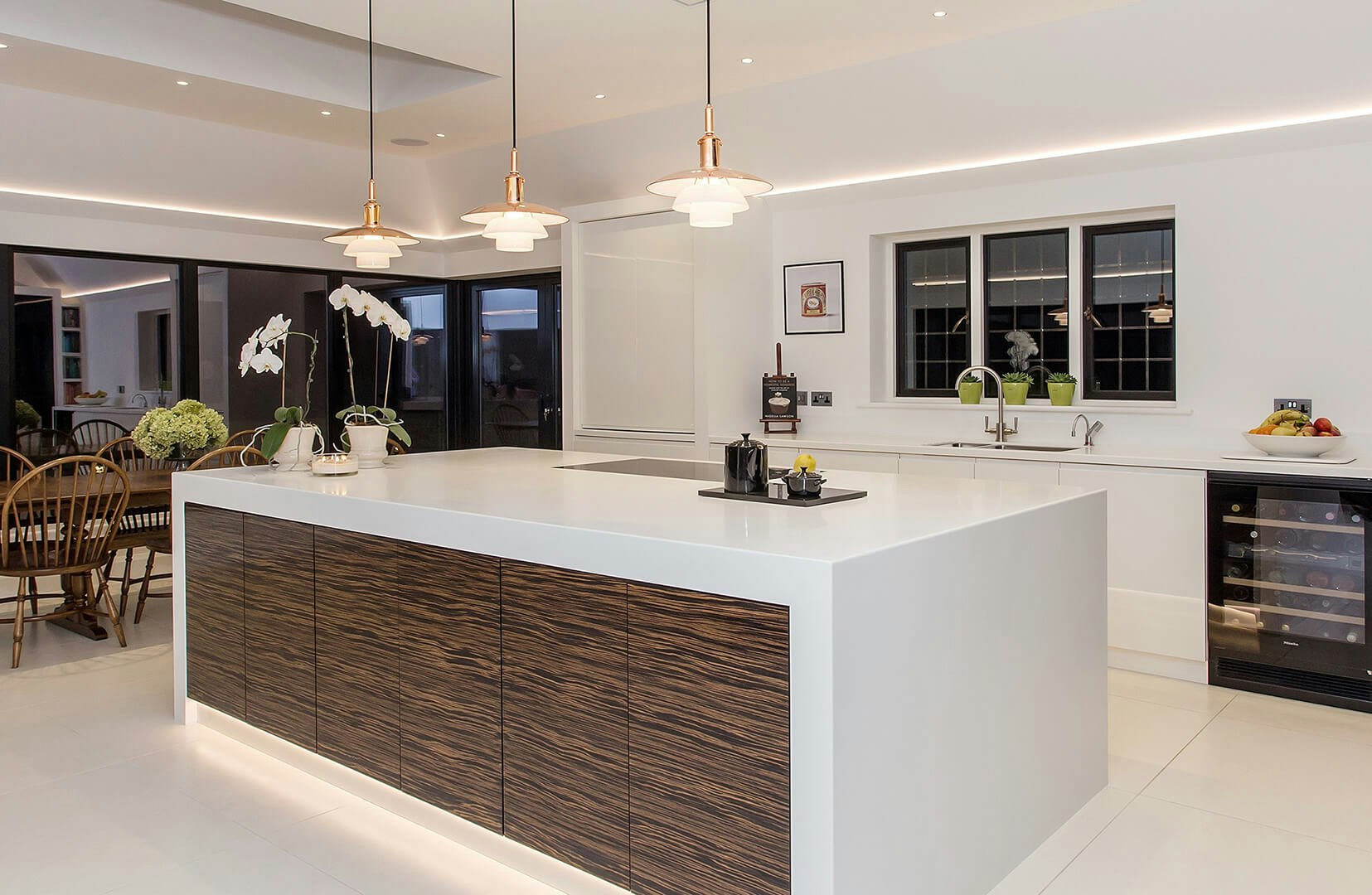
- Kitchens: Combine recessed ambient lighting with effective task illumination, such as under-cabinet LEDs and well-placed pendant lights, to eliminate shadows on worktops. Add subtle accent lighting like toe-kick LEDs or lit shelving to bring depth and evening atmosphere.
- Living rooms: Use cove or concealed ambient lighting to set a soft foundation. Layer in floor lamps and task lighting for reading or focused activities. Finish with wall washers or picture lights to highlight art and add a sophisticated gallery-like feel.
- Bathrooms and bedrooms: In bathrooms, pair vanity sconces with recessed overhead lighting to ensure even, flattering illumination. In bedrooms, mix ambient fixtures with bedside task lights and consider mirror lighting or perimeter LED accents to create a calm, luxurious mood.
Implementation checklist for designers
To make layered lighting work seamlessly, consider these practical steps during the design process:
- Map zones early: Identify the activities and priorities for each space, keeping client lifestyles in mind. Determine where ambient, task and accent layers are needed before selecting fixtures.
- Integrate controls: Plan dimmers, zoning and smart lighting systems from the start. Proper integration allows clients to adjust mood, functionality and energy use effortlessly.
- Balance natural light: Take advantage of windows and reflective surfaces to complement artificial lighting. Position layers to work with daylight, reducing glare and creating harmonious transitions from day to night.
Layer up your designs with Hampshire Light
Layered lighting is more than a design trend; it’s the finishing touch that transforms a house into a home. By combining ambient, task and accent layers, designers and homeowners can create spaces that are functional, visually dynamic and effortlessly luxurious. From enhancing mood and depth to future-proofing interiors, the benefits are clear: layered lighting elevates every room.
At Hampshire Light, we specialise in helping you bring these layered schemes to life. Whether you’re designing a new build, renovating or refreshing a single room, our expertise ensures your lighting is both beautiful and practical. Get in touch today and discover how layered lighting can transform your spaces.
